
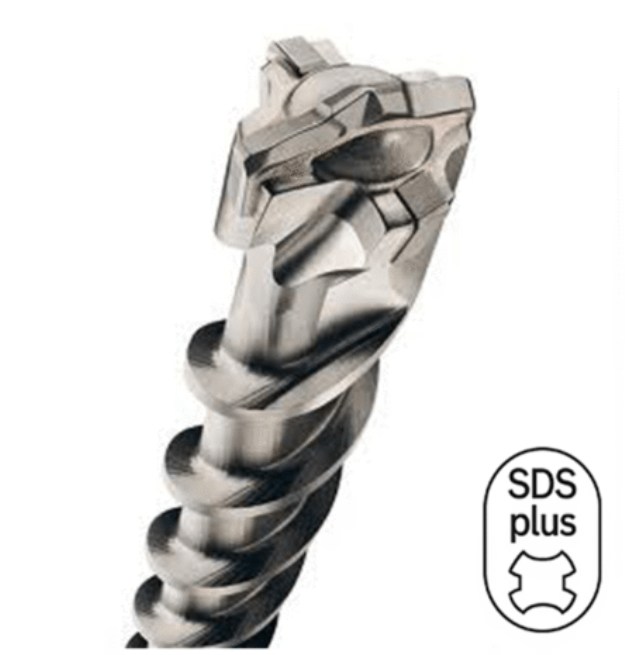
Concrete demands more from a drill bit than ordinary wood or drywall. Dense surfaces resist cutting, while embedded aggregate can quickly wear down an unsuitable tip. Choosing the top masonry drill bits for tough concrete jobs helps contractors drill cleaner holes without fighting unnecessary vibration or premature bit failure. The right choice depends on concrete hardness, hole diameter, drilling depth, and the tool driving the bit. Understanding those factors makes it easier to match each drilling task with equipment that works efficiently.
Why Concrete Requires Specialized Drill Bits
Concrete combines hardened cement paste with sand and stone, creating an abrasive material that ordinary twist bits cannot handle effectively. Masonry bits use reinforced cutting tips to break through this surface while their flutes carry loose dust away from the hole. Their construction also tolerates the repeated impacts produced by hammer drilling.
Not every masonry bit performs equally well in dense concrete. Some suit occasional anchor holes, while others handle prolonged drilling into reinforced slabs. Contractors should consider both the cutting material and the drill mechanism before selecting a bit.
Carbide-Tipped Bits for Everyday Concrete Drilling
Carbide-tipped masonry bits remain a practical choice for common concrete fastening tasks. Their hardened tips resist abrasion better than standard steel edges, making them suitable for drilling holes for screws and lightweight anchors. Many versions fit conventional hammer drills with three jaw chucks.
These bits work well when crews install brackets or secure fixtures to concrete walls. However, inexpensive carbide tips may wear quickly in especially hard concrete, particularly when users apply excessive pressure.
Choose a diameter that matches the fastener manufacturer’s instructions. An oversized hole can weaken anchor grip, while an undersized hole makes installation difficult.
SDS-Plus Bits for Demanding Anchor Installation
SDS-Plus bits pair with compatible rotary hammers rather than ordinary drill chucks. Their shanks lock into the tool while allowing the movement needed for effective hammering. This connection transfers impact energy efficiently into concrete and helps crews drill repeated anchor holes with less effort.
For general construction work, SDS-Plus often offers an excellent balance between drilling power and manageable tool size. Contractors use these bits for mounting supports and preparing holes in foundations.
Look for durable carbide heads and flutes that evacuate dust effectively. Dust buildup creates friction and can slow progress even when the cutting tip remains sharp. Follow the rotary hammer manufacturer’s limits for bit diameter and operating mode.
SDS-Max Bits for Large Concrete Holes
Large diameter holes require equipment that can deliver substantial impact energy. SDS-Max bits fit heavier rotary hammers designed for demanding concrete applications. Their larger shanks and robust construction support drilling that would overwhelm smaller systems.
These bits suit deep anchoring work and larger penetrations through structural concrete. They can save considerable effort on demanding jobs, but their size makes them less convenient for small fastening tasks. Using an oversized rotary hammer for a narrow hole can reduce control in confined spaces.
Before drilling, confirm the required hole dimensions and check for hidden utilities. Structural drilling may also require approval, particularly when the work could affect reinforcing steel or load-bearing elements.
4-Cutter Bits for Reinforced Concrete
Reinforced concrete introduces another challenge because steel bars may intersect the planned drilling path. 4-cutter carbide heads distribute cutting forces across multiple edges, helping maintain stability when a bit encounters hard aggregate. Certain designs also resist binding better than basic two-cutter tips.
A 4-cutter bit does not automatically make drilling through reinforcing steel acceptable. Cutting rebar can compromise a structure, so contractors must follow project specifications and obtain appropriate authorization. When a hole meets reinforcement unexpectedly, stop and determine the correct next step.
For approved applications, select a bit specifically rated for the materials involved. Check the manufacturer’s guidance rather than assuming every 4-cutter design can cut metal.
Diamond Core Bits for Precise Openings
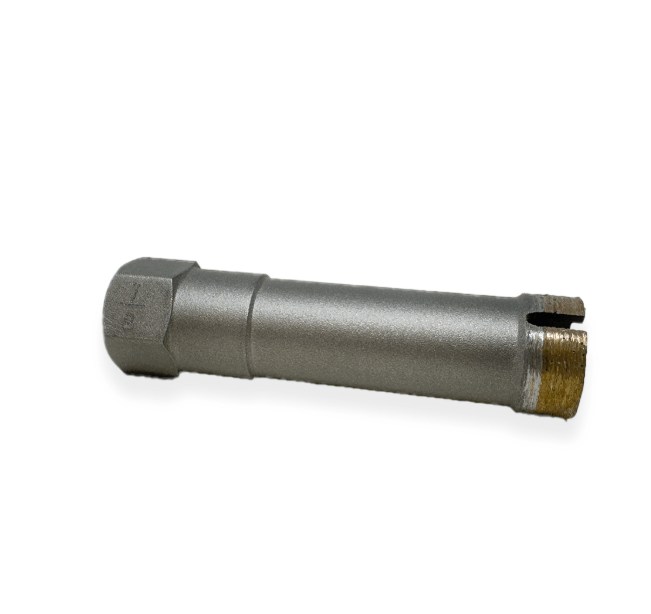
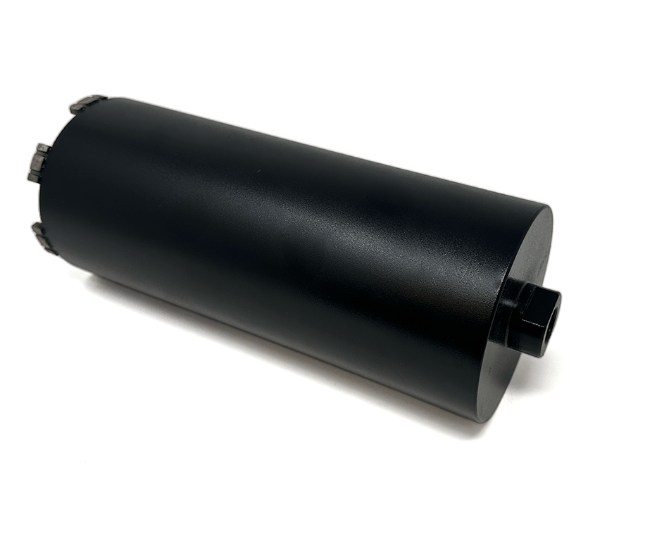
Diamond core bits serve a different purpose from conventional percussion bits. Instead of breaking away the entire hole, they grind a circular path and leave a removable core. This approach makes them useful for larger openings where controlled cutting matters.
Contractors often choose core drilling for plumbing penetrations and mechanical installations. Suitable equipment can produce clean edges in hard concrete, although the bit bond and concrete composition influence drilling performance. Some systems require water for cooling and dust control, while others support specified dry applications.
Never switch between wet and dry methods without checking the manufacturer’s instructions. Match the core bit to the drilling rig and operating speed.
Match Bit Geometry to the Job
Tip design receives plenty of attention, but flute geometry also influences drilling performance. Wide flutes can move debris out of deeper holes, reducing the chance of dust packing around the shaft. Other designs emphasize stability for accurate anchor placement.
Hole depth matters as much as diameter. For repetitive installations, mark the intended drilling depth and check each completed hole before setting the anchor. A bit must provide enough usable drilling length for the required embedment while allowing space for dust removal. Contractors should avoid forcing a short bit beyond its intended working depth.
SDS-Plus and SDS-Max use different connection systems, so contractors should never force either bit into an incompatible chuck. Verify the connection before purchasing replacement bits for a crew’s existing tools.
Drilling Practices That Extend Bit Life
Even premium bits wear prematurely when operators use poor technique. Let the hammer mechanism do the work instead of leaning heavily on the drill. Excessive force increases heat and can make the bit bind without improving progress.
Keep the tool aligned with the hole and withdraw the bit periodically when appropriate to clear accumulated debris. Use effective dust extraction and suitable respiratory protection, following applicable silica exposure requirements. Concrete dust presents a serious inhalation hazard, so dust control belongs in the drilling plan from the beginning.
Replace bits with damaged tips or noticeably reduced cutting performance. A worn bit wastes time and can produce holes that no longer meet anchor requirements.
Find Reliable Concrete Drilling Tools at ToolGuy
Selecting the top masonry drill bits for tough concrete jobs starts with understanding the material and matching the bit to the drilling equipment. Carbide-tipped options cover routine fastening, while rotary hammer bits handle more demanding holes. Specialized core bits offer another solution when projects require larger openings. ToolGuy offers a wide range of high-quality construction tools, including drill bits, to support professional work and everyday repairs. Choose equipment suited to your application, and give every concrete drilling task the preparation it deserves for consistently better results.