
Starting a contracting business takes more than technical knowledge. You need dependable equipment that handles daily jobs without slowing you down. Choosing the must-have hand tools for new contractors means focusing on versatility, durability, and the work you expect to perform. A thoughtful starter kit helps you measure accurately, make reliable repairs, and tackle unexpected challenges on site. Instead of buying every tool available, begin with proven essentials that earn their place in your toolbox.
Build Your Kit Around Everyday Tasks
New contractors often face changing job requirements. One morning might involve installing hardware, while the afternoon calls for trimming materials or correcting an existing installation. Your hand tools should cover common tasks before you invest in specialized equipment. Start with items you will reach for regularly and choose construction suited to demanding environments.
Look for comfortable grips, solid connections, and materials that resist premature wear. Check whether replacement parts are available for tools that use blades or other consumable components. A dependable kit does not need to be enormous. It needs to help you complete routine work without repeated trips to the supply store.
Measuring Tape and Layout Tools
Accurate measurements protect your materials and your schedule. A sturdy tape measure belongs within easy reach on almost every project. Choose a model with clear markings, a reliable locking mechanism, and a blade that extends smoothly. A durable case also matters when tools regularly land on concrete or travel between jobs.
Pair your tape measure with a combination square for checking angles and marking straight cuts. A torpedo level helps verify alignment in tight spaces where longer levels will not fit. Keep a carpenter pencil or suitable marker handy so your measurements translate into visible reference points before cutting or fastening.
Hammers for Framing and General Repairs
A hammer remains one of the most useful tools on a job site. For general contracting, a claw hammer handles common fastening tasks and helps remove nails when plans change. Choose a weight you can control comfortably throughout the day. A balanced head and secure handle improve accuracy during repeated swings.
Consider a smooth faced hammer when finished surfaces require extra care. For heavier demolition tasks, a separate striking tool may be appropriate, but it should not replace your everyday hammer. Inspect the head and handle regularly, especially after demanding work. Damaged striking tools can create unnecessary hazards.
Screwdrivers and Nut Drivers
Even contractors who rely on power drivers need manual screwdrivers. They offer better control around delicate fixtures and provide access when a powered tool feels awkward. Keep several tip sizes for common Phillips and slotted fasteners. Proper fit reduces slipping and helps prevent damage to screw heads.
A compact nut driver set also earns its space when installing brackets or working with hex head fasteners. Look for handles that remain comfortable when your hands are damp or dusty. Avoid forcing a poorly matched tip. Taking a moment to select the correct driver usually saves time later.
Pliers for Gripping and Adjustments
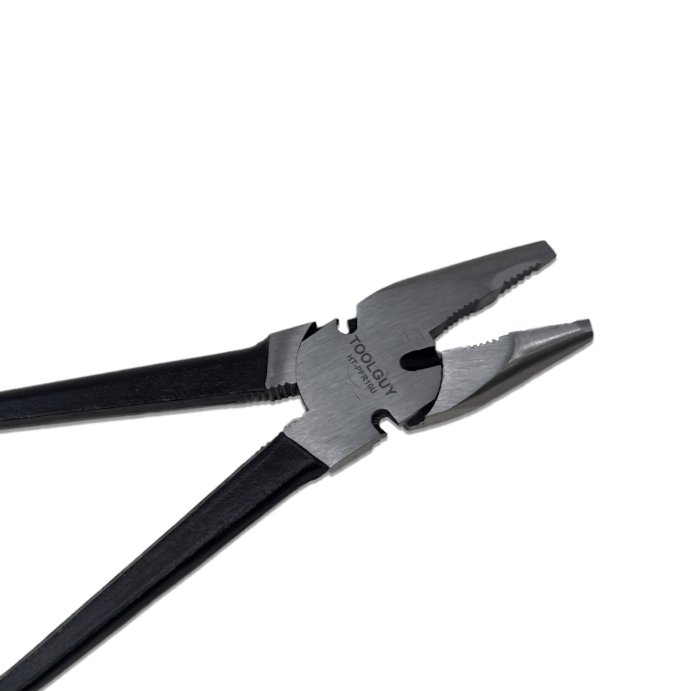
Pliers help contractors hold small components and manipulate materials in places where fingers cannot provide enough leverage. Slip joint pliers offer adjustable gripping capacity for general work. Needle nose pliers reach narrow spaces and help position small pieces with greater precision.
Locking pliers are useful when you need a firm temporary hold on a stubborn component. Tongue and groove pliers provide additional adjustment for larger fittings. Select jaw styles that match the materials you handle, since aggressive teeth can mark softer surfaces. Never use pliers as a substitute for the correct wrench when protecting fastener edges matters.
Wrenches and Socket Essentials
Fasteners appear throughout construction work, so reliable wrenches deserve a permanent spot in your kit. An adjustable wrench handles several sizes when carrying a complete set is impractical. For frequent fastening, combination wrenches generally provide a more secure fit on correctly sized nuts and bolts.
A basic socket set speeds repetitive assembly work and helps reach recessed fasteners. Match sockets carefully to the fastener dimensions and use hand tools within their intended limits. Store small pieces in a labeled case so missing sizes do not interrupt a job. As your specialty develops, add the sizes you use most.
Utility Knives and Hand Saws
A sharp utility knife handles packaging and many common trimming jobs. Choose a knife with a secure blade mechanism and a grip that allows controlled cuts. Keep replacement blades available because dull edges encourage extra force. Retract or cover the blade whenever the tool is not in use.
A handsaw provides a practical backup for wood cutting when electricity is unavailable or a small adjustment does not justify setting up equipment. A hacksaw serves a different purpose, cutting appropriate metal stock with a blade selected for the material. Support workpieces securely and let the teeth do the cutting rather than twisting the blade.
Bolt Cutters for Tougher Materials
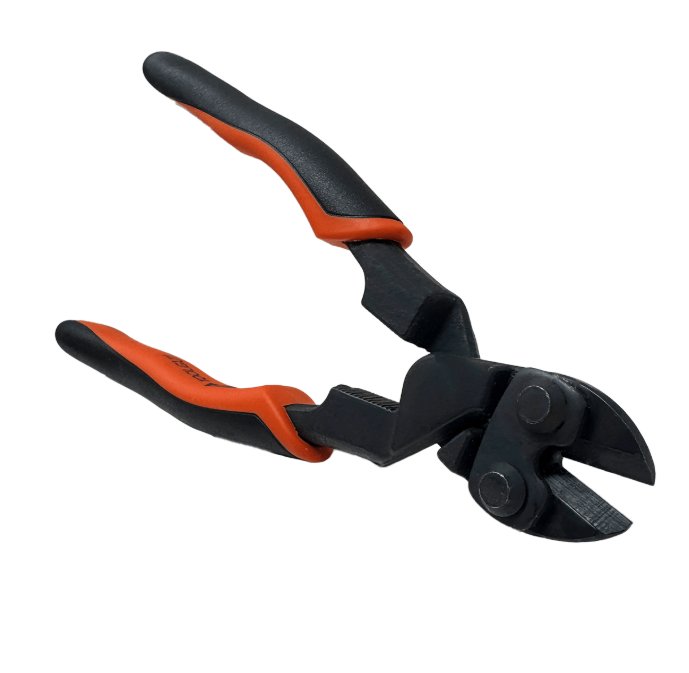
Bolt cutters give contractors a manual option for cutting certain metal items that ordinary pliers cannot handle. Depending on the cutter rating, they can work on suitable bolts, chain, or wire. Their long handles provide mechanical advantage, but that leverage does not make every metal safe to cut.
Check the tool’s stated capacity and the material hardness before starting. Position the workpiece correctly within the jaws and keep bystanders clear of potential flying pieces. Never cut energized electrical conductors with standard bolt cutters. Choosing the right size makes the tool easier to handle while protecting its cutting edges.
Storage and Maintenance Matter
Good tools last longer when you keep them organized. A portable toolbox works well for smaller jobs, while a sturdy tool bag can provide quick access during frequent moves. Arrange sharp tools so they cannot damage nearby equipment. Give small accessories dedicated compartments instead of leaving them loose.
After each job, wipe away moisture and debris before storage. Inspect handles for cracks and moving joints for stiffness. Apply appropriate lubrication where the manufacturer recommends it. Replace worn blades promptly and retire damaged tools rather than trying to force another project out of them. Keep receipts and product instructions together for easier future replacement decisions.
Equip Your Next Job With ToolGuy
Building a useful kit takes practical choices, not unnecessary purchases. Start with the tools your work demands most often, then expand as your projects become more specialized. When shopping for must-have hand tools for new contractors, prioritize fit and dependable performance over sheer quantity. ToolGuy offers a variety of high-quality tools, including bolt cutters, to help you build out your equipment selection. With the right essentials close at hand, you can approach everyday contracting tasks with greater confidence.