
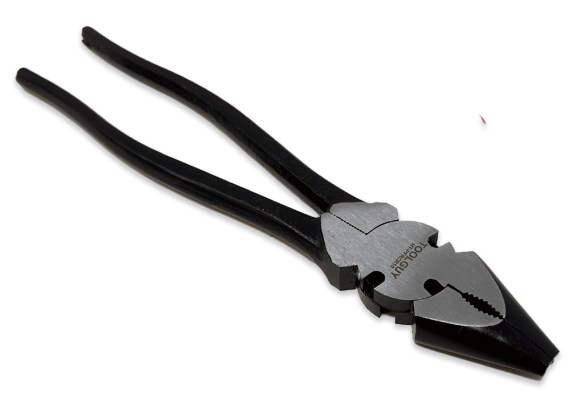
Damaged fencing demands quick attention before loose wire creates bigger problems. Whether livestock push against a weakened section or weather loosens a connection, the correct hand tool makes repairs more manageable. Understanding the ways fence pliers simplify wire repairs helps property owners and fencing professionals work efficiently without switching tools at every step. Their specialized design combines several common repair functions in one compact tool, making them especially useful when tackling unexpected damage along a fence line.
1. Cut Damaged Wire Without Changing Tools
A broken strand often leaves sharp ends that interfere with a clean repair. Fence pliers include cutting edges that let you trim damaged wire before joining or replacing a section. You can remove frayed ends and prepare a workable length without reaching for separate wire cutters.
Position the wire within the designated cutting area rather than forcing it between gripping jaws. Apply steady pressure and keep the free end pointed away from your body. Check the tool’s rated cutting capacity before working with heavy or hardened wire, since oversized material can damage the edges.
With the damaged section trimmed, you can focus on restoring the fence instead of fighting twisted scraps. This convenience becomes especially valuable when repairs involve several breaks spread across a long boundary.
2. Grip Slippery Wire More Securely
Smooth wire can slip through ordinary pliers when you try to bend or reposition it. Fence pliers feature gripping surfaces that help hold a strand firmly while you guide it into place, even when conditions make handling wire difficult. This improved grip makes it easier to handle short wire ends and bend stubborn strands into position.
Use the jaws to hold the wire near the repair point while keeping your other hand clear of potential pinch areas. A secure hold helps you make controlled adjustments without repeatedly resetting your grip. It also reduces the temptation to wrap loose wire around your fingers for leverage.
For stubborn sections, work in small movements rather than pulling abruptly. Fence pliers give you better control, but they do not replace a dedicated fence stretcher when a long run needs significant tension.
3. Remove Old Fence Staples Efficiently
Many wire fences rely on staples to secure strands against wooden posts. When a staple bends or loosens, removing it cleanly can be difficult with basic gripping tools. The staple-pulling features on many fence pliers help lift embedded fasteners so you can inspect the post and replace the attachment.
Set the pulling feature against the staple and use the tool’s leverage carefully. Avoid twisting aggressively against soft or weathered wood, which can splinter around the attachment point. If a staple remains deeply buried, change your angle instead of forcing the tool.
Once the old staple comes free, inspect the wood for cracking. A sound fastening point helps the replacement staple hold properly and keeps the repaired wire positioned where it belongs.
4. Drive Replacement Staples at the Post
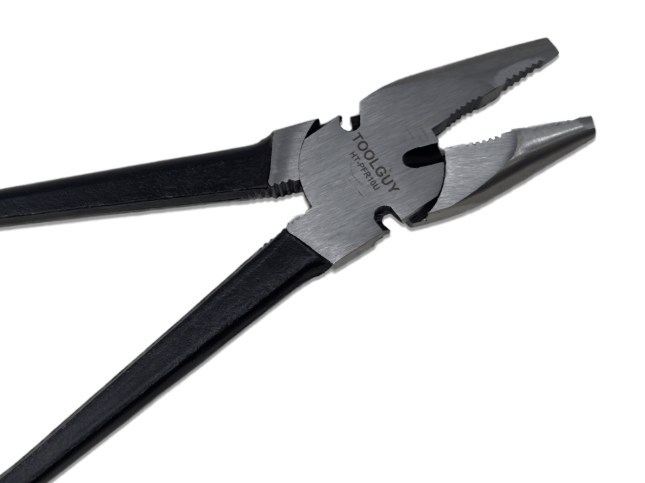
After repositioning a loose strand, you need to secure it to the post. Many fence pliers have a hammer face designed for driving fence staples, allowing you to handle small fastening jobs without carrying a separate hammer to every repair location.
Start the staple carefully and drive it with controlled strikes. Leave enough clearance for the wire to move as the fence design requires; pinching a strand too tightly can create unnecessary stress. Watch the staple’s angle so it follows the intended path into solid wood.
The built-in hammer feature works well for occasional repairs, although a dedicated hammer may feel more comfortable during extensive installation. For quick maintenance, having the striking surface close at hand keeps the process moving.
5. Bend Wire Ends Into Manageable Shapes
Repairing a fence sometimes requires bending a wire end around a connection or forming a small hook. Fence pliers provide leverage for shaping these ends more precisely than you could with your hands alone. Their jaws help guide the bend while keeping your fingers away from sharp points.
Grip the strand close to the intended bend and move it gradually. Avoid repeatedly bending the same spot back and forth because metal fatigue can weaken the connection. If the wire begins to crack or kink sharply, trim it and start with a sound section.
Controlled bends make it easier to prepare a splice or tidy an exposed end. They also help prevent sharp tails from sticking outward where they could snag clothing or injure animals.
6. Tighten Small Connections With Greater Control
Loose ties and short repair connections can allow a fence strand to shift out of position. Fence pliers help you grip a tie wire and make careful adjustments while keeping the connection close to the supporting strand. This is particularly helpful when you need to snug a small attachment without disturbing neighboring wire.
Work slowly and inspect the connection after each adjustment. Excessive twisting can weaken the tie, especially if the wire already shows corrosion or wear. Replace questionable material rather than trying to save a connection that cannot hold securely.
Remember that tightening a tie is different from tensioning an entire fence line. For high-tension fencing or a stretched run, use equipment designed for that task and follow the fence manufacturer’s guidance.
7. Handle Remote Repairs With Less Equipment
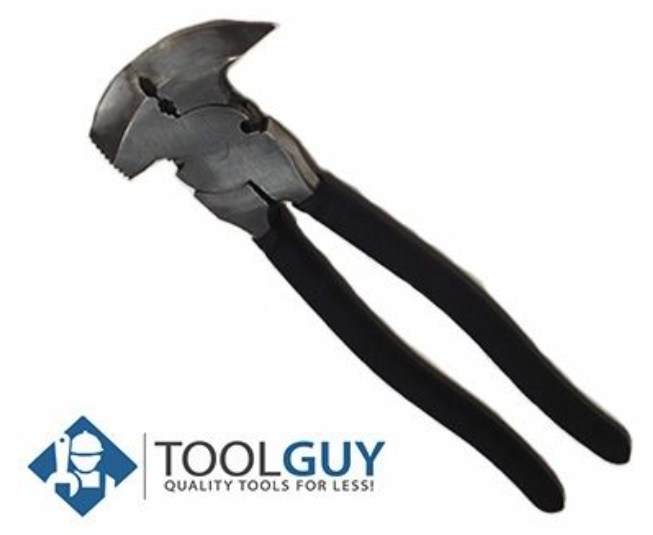
Fence damage rarely appears beside a fully stocked workbench. A loose staple or broken strand might be far from the shed, across uneven ground, or along a distant pasture. Carrying fence pliers gives you several practical repair functions in one tool, so you can address minor problems without hauling a large collection of hand tools.
Before heading out, inspect the jaws and cutting edges for wear. Bring suitable replacement wire and staples, along with protective gloves and eye protection. For larger repairs, add the specialized tensioning equipment the job requires.
Having a versatile tool ready can shorten interruptions and make routine fence checks more productive. You can fix small issues when you spot them instead of postponing every repair until you retrieve another tool.
Make Wire Repairs Easier With ToolGuy Fence Pliers
Knowing the ways fence pliers simplify wire repairs helps you choose a practical tool for everyday fence maintenance. From cutting damaged strands to securing replacement staples, their combined functions support efficient work along the fence line. ToolGuy sells fence tool pliers designed for maximum grip, control, and durability, giving you a dependable option for tackling routine wire repairs. Choose the right pliers for your fencing materials and keep them accessible whenever your next maintenance job calls.