
Pipe Cutters vs. Bolt Cutters: 5 Key Differences
Choosing the right cutting tool matters when a job calls for clean results, controlled effort, and dependable performance. Pipe cutters and bolt cutters may look like straightforward hand tools, but they solve very different problems on construction sites, in maintenance shops, and during utility work. Understanding the key differences between pipe cutters and bolt cutters helps professionals select a tool that matches the material, the cut, and the working conditions.
What Pipe Cutters Do
Pipe cutters cut round tubing or pipe with a controlled action around the material. Many common designs use a cutting wheel that gradually scores deeper as the tool rotates around the pipe. The operator tightens the mechanism between rotations until the cutting wheel passes through the wall.
This cutting method is useful when the finished pipe needs a relatively square, controlled edge. Because the tool follows the circumference, it focuses cutting pressure on a narrow path instead of crushing through the entire piece at once. That makes a pipe cutter well suited to plumbing, mechanical, and fabrication work where pipe preparation affects the next step.
Different pipe cutter designs handle different materials and diameters. Compact models can fit into tighter spaces, while larger cutters provide the capacity and leverage needed for heavier pipe. Professionals should always match the cutter to the pipe material and size rather than forcing a tool beyond its intended range.
How Bolt Cutters Work
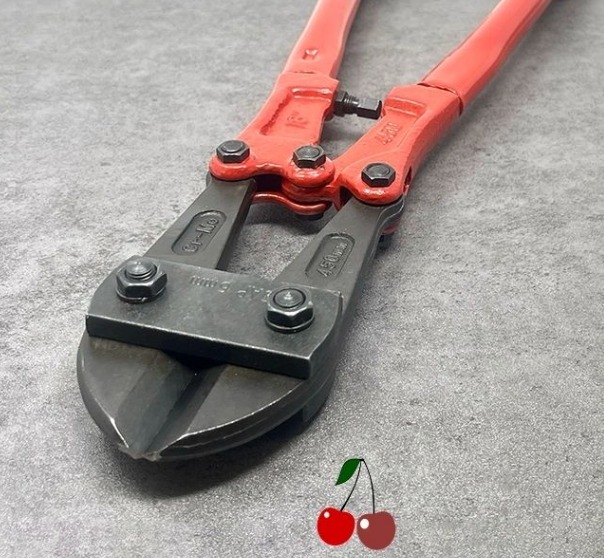
Bolt cutters use long handles and compound leverage to drive two hardened jaws through tough material. Instead of traveling around the workpiece, the jaws close directly on it. This design concentrates substantial force at the cutting edges and allows the operator to cut material that would be difficult to sever with ordinary hand cutters.
Depending on the cutter design and jaw capacity, they may handle chain, threaded rod, or similar solid metal stock. The tool works best when the material fits properly within the jaws and falls within the hardness limits specified for the cutter.
Bolt cutters generally leave a pinched or sheared cut rather than the neat circular cut associated with a pipe cutter. That difference matters when appearance, fit, or downstream assembly is important. A bolt cutter prioritizes force and speed on suitable solid materials rather than precision pipe preparation.
Cutting Action and Finished Results
The biggest distinction between these tools comes from how they make the cut. A pipe cutter works progressively around the outside of a hollow workpiece. A bolt cutter applies opposing jaw pressure through a relatively small section of material.
That difference affects the finished edge. Pipe cutters can create a more uniform cut around tubing, although the inside edge may still require deburring before fitting or assembly. Bolt cutters can deform the material near the cut because their jaws squeeze as they shear.
For professionals, the desired result should guide tool selection. If a pipe must fit into a coupling or receive additional preparation, a dedicated pipe cutter usually provides better control. If the goal is to quickly sever compatible solid stock, a bolt cutter is often the more practical choice.

Material Compatibility Matters
Pipe cutters and bolt cutters are not interchangeable simply because both can separate metal. A pipe cutter depends on the relationship between its cutting wheel, frame, and the wall of the pipe. Using it on material outside its rated application can damage the wheel or produce a poor cut.
Bolt cutters also have material limitations. Jaw shape, jaw hardness, and handle length influence what the tool can cut effectively. Attempting to cut material that is too hard or too large can damage the cutting edges and may create an unsafe working situation.
Before cutting, professionals should identify the material and confirm that the selected tool is rated for it. This step protects the tool while helping the operator maintain control.
Leverage, Clearance, and Jobsite Access
Working space can influence the choice as much as material type. A pipe cutter needs enough clearance to move around the pipe, although compact and close-quarters designs can reduce the amount of swing required. Access becomes especially important when pipe runs sit near walls or other installed components.
Bolt cutters require room for their handles to open and close. In confined areas, a large bolt cutter may be awkward even when its jaws can reach the material.
Professionals should consider the complete cutting motion before starting. A tool that reaches the workpiece but cannot move through its normal operating range will not perform as intended. Planning for clearance helps maintain steady pressure and keeps the operator in a stronger working position.
Choosing the Right Cutter for the Task
Start with the workpiece rather than the tool. For hollow pipe or tubing that needs a controlled circumferential cut, choose a pipe cutter designed for that material and diameter. Choose a properly rated bolt cutter for compatible bolts, chain, or solid metal stock that you can shear with leverage.
Next, consider what happens after the cut. Use a pipe cutter for pipe you plan to join or fit, since it produces a cleaner edge and reduces the need for deburring. Use bolt cutters for material you are removing or shortening when the stock fits within their cutting range, since those cuts do not require the same level of finish.
Tool condition also affects performance. Worn cutting wheels can wander or require excessive effort, while damaged bolt cutter jaws can reduce cutting effectiveness. Inspect the working surfaces before use and replace worn components when the tool design allows it.

Why Using the Correct Tool Pays Off
Using a cutter for its intended purpose improves control and protects the cutting edges from avoidable damage. It also helps the operator apply force in the way the tool can handle. That can make repetitive cutting work more consistent without relying on excessive effort.
The correct tool also supports better workflow. A clean pipe cut can reduce corrective work before fitting, while an appropriately sized bolt cutter can make quick work of compatible stock. Choosing by application keeps the job moving and helps preserve tool life.
Find the Right Cutting Tool for the Job
Knowing the key differences between pipe cutters and bolt cutters makes it easier to choose equipment based on material and the finish the job requires. Pipe cutters provide controlled cuts around suitable tubing, while bolt cutters use leverage to shear compatible solid metal.
With a variety of pipe cutters and bolt cutters available, ToolGuy makes it easy to find the right solution for your needs. For applications involving cable rather than pipe or bolts, we also have wire rope cutters for industrial and utility applications. Selecting a purpose-built cutter gives professionals the control they need for dependable field work. Browse our selection to learn more.

PO Box 4041
Thousand Oaks, CA 91359
Copyright © 2019 ToolGuy.com - All Rights Reserved.