
Benefits of Heat-Treated Fence Pliers for Durability
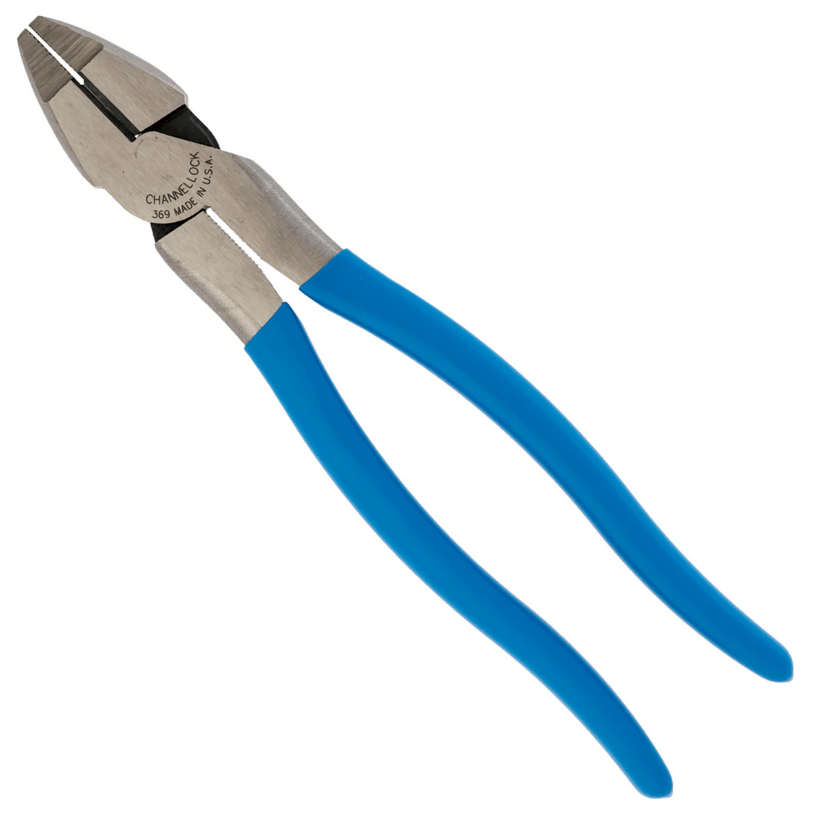
Fence installation places constant stress on hand tools. Contractors need pliers that can cut wire, pull staples, grip fencing, and hold shape through repeated daily use.
Heat-treated fence pliers help meet that demand. The process strengthens steel and improves tool performance across demanding fencing and construction applications. Durable pliers help crews maintain pace and reduce tool replacement costs. Learn more about the benefits of heat-treating fence pliers and how they meet durability needs.
What Heat Treatment Does to Fence Pliers
Heat treatment changes the internal structure of steel through controlled heating and cooling. This process improves hardness, toughness, and wear resistance.
Fence pliers handle impact, twisting force, and cutting pressure. Heat-treated steel helps the tool resist damage during these tasks. A standard fencing plier may bend or dull faster under heavy use. A heat-treated option keeps its working edges stronger for longer.
This matters for contractors who install chain link, field fence, barbed wire, and welded wire. Each material places different demands on the jaws and cutting edges.
Why Durability Matters on Fencing Jobs
Fencing work often happens across large job sites. Crews may not have quick access to replacement tools during installation. A broken or worn plier can slow progress and force workers to use the wrong tool for the task.
Durable fence pliers support safer and more efficient work. They help crews cut, grip, twist, and pull with better control.
Construction managers also need predictable tool performance. Reliable tools help reduce downtime and keep labor costs under control.
Stronger Cutting Edges
Cutting wire creates concentrated pressure at the edge of the tool. Heat-treated cutting edges resist deformation better than softer steel. This improves performance when cutting fence wire and tie wire. It also helps the tool maintain a cleaner cut over time.
A dull edge forces workers to apply more hand pressure. Extra pressure can reduce control and increase fatigue. Heat-treated pliers help maintain sharper edges through repeated cuts. That gives crews better performance during high-volume fencing work.
Better Jaw Strength
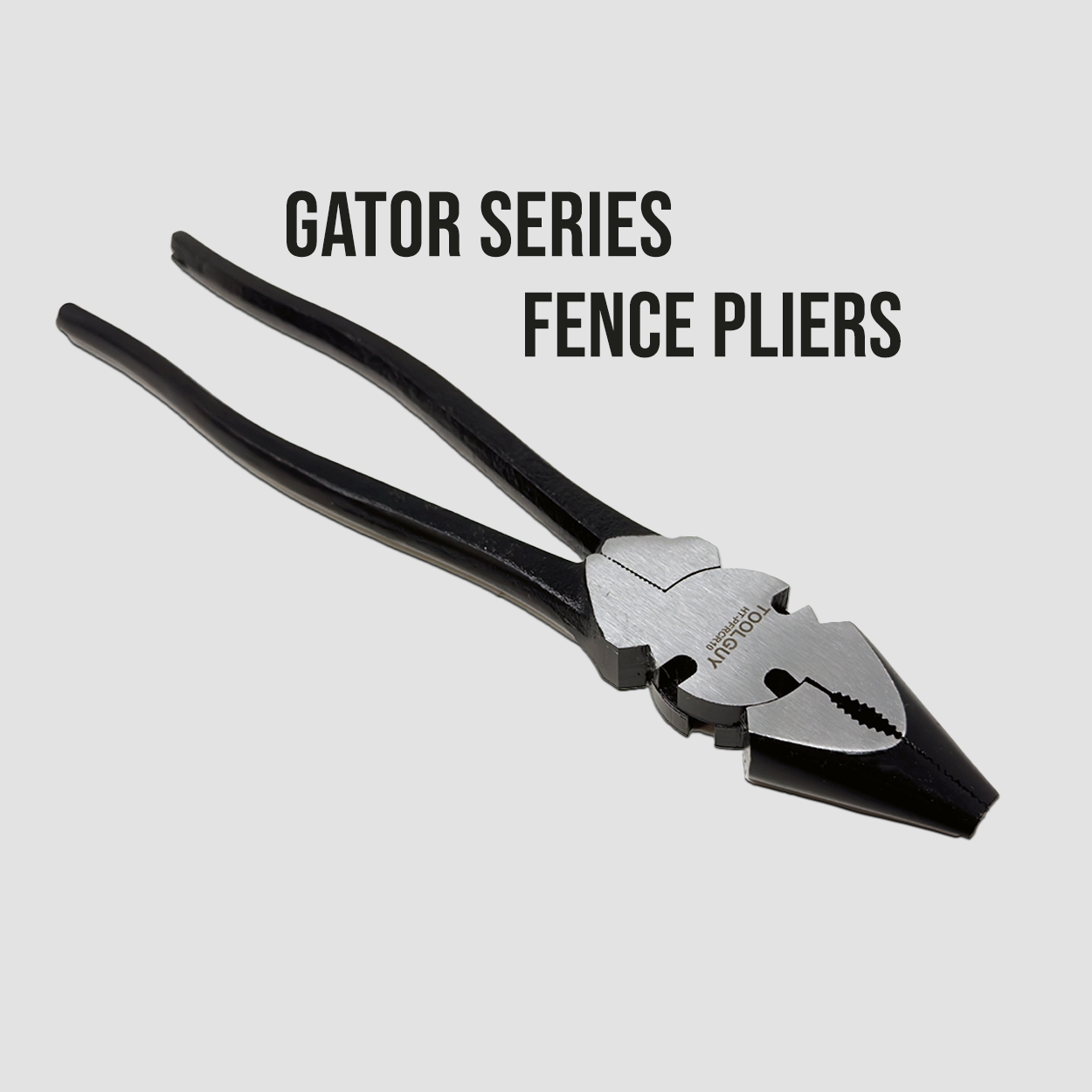
Fence pliers need strong jaws for gripping and pulling. Soft steel can deform when workers twist wire or pull staples. Heat-treated jaws resist bending under load. This keeps the gripping surfaces aligned during demanding work.
Jaw alignment matters for control. Poor alignment can cause slipping and uneven pressure. Strong jaws also help crews work with heavier fencing materials. This adds value on agricultural and industrial fencing projects.
Improved Wear Resistance
Wear resistance affects how long a tool performs before replacement. Fence pliers face contact with steel wire, staples, mesh, and fasteners. Heat-treated steel resists surface wear during repeated contact. This helps protect the jaw teeth and cutting areas.
Worn jaw teeth reduce grip strength and make wire handling slower and less precise. Pliers with improved wear resistance support consistent performance. This helps contractors protect productivity across multiple projects.
Reduced Tool Replacement Costs
Low-cost tools can create higher long-term costs. Frequent replacement adds expense and disrupts jobsite workflow. Heat-treated fence pliers often provide a longer service life. This can lower the total cost per project.
Contractors should consider durability as part of tool value. A stronger tool may deliver better return across repeated use.
Better Performance in Tough Materials
Fence crews often work with galvanized wire, coated wire, and high-tensile fencing. These materials can wear cutting edges quickly. Heat-treated pliers handle tough materials with better resistance to damage. They also support repeated gripping without fast jaw wear.
This does not remove the need for proper tool selection. Crews should still match pliers to the wire type and job requirement. The right tool helps protect both performance and safety. Heat treatment adds another layer of durability for demanding work.
Support for Daily Jobsite Use
Contractors need tools that perform through long workdays. Fence pliers may move from cutting to twisting within minutes.
Heat-treated construction improves tool dependability during these repeated tasks. It also helps the tool resist gradual loss of shape. Consistent tools help workers move faster. It also supports cleaner and more predictable results.
Key Benefits for Contractors
Heat-treated fence pliers offer several practical advantages. These benefits support both field crews and project managers.
- Stronger cutting edges
- Better jaw strength
- Improved wear resistance
- Longer tool life
- More consistent grip
- Reduced replacement frequency
- Better performance with tough wire
- Greater value across repeat use
These advantages matter on residential and commercial fencing projects. They also matter on construction sites that require wire handling or temporary fencing.
How Heat-Treated Pliers Support Safety
Tool durability affects jobsite safety. Damaged pliers can slip or fail during forceful work. Heat-treated pliers reduce the risk of edge deformation and jaw failure. This helps workers maintain better control.
Proper tool condition still requires routine inspection. Crews should check handles, pivots, jaws, and cutting edges before use. Managers should replace tools that show cracks or severe wear. Strong tools help reduce risk, but inspection remains essential.
Maintenance Helps Extend Tool Life
Heat treatment improves durability, but proper care still matters. Good maintenance protects the investment in better tools. It also helps crews get consistent results across many projects.
Crews should clean dirt and debris from the pivot and jaws. Light lubrication can help the pivot move smoothly. Dry storage can reduce corrosion risk.
Workers should avoid using fence pliers beyond their intended purpose. Misuse can damage even a high-quality tool.
Why Tool Quality Affects Productivity
Every cut and grip adds time to a fencing project. A tool that slips or dulls early slows the entire crew. Durable pliers help workers complete repetitive tasks with less interruption to support better labor efficiency.
Construction managers often measure productivity through completed sections and crew output. Reliable tools help protect those numbers. Quality hand tools also reduce frustration on site. Crews can focus on installation rather than tool problems.
Choosing Value Over Short-Term Savings
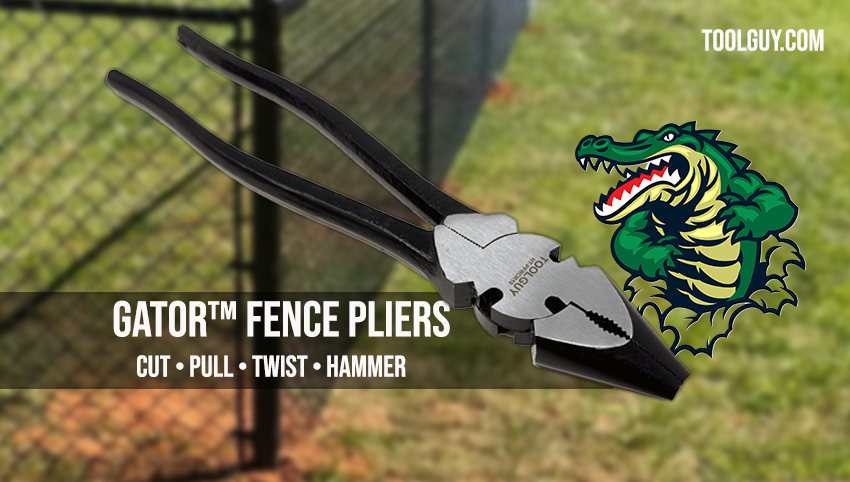
A cheaper tool may seem attractive during purchasing. It can cost more if it fails quickly or performs poorly. Heat-treated fence pliers support a better balance of cost and durability. They help contractors reduce replacement cycles.
The best value comes from tools that match actual job demands. Fencing work requires strength, grip, and cutting performance. A durable fencing plier can support crews across many tasks. Heat-treated construction is a practical choice for professional use.
Find Durable Fencing Tools From ToolGuy
Heat-treated fence pliers offer contractors benefits such as durability, cutting performance, and jobsite reliability. They support better grip, stronger edges, and longer service life during demanding fencing work.
ToolGuy offers fencing and construction tools for crews that need dependable performance. Explore ToolGuy tool offerings to equip jobs with durable pliers and other professional-grade fencing tools.

PO Box 4041
Thousand Oaks, CA 91359
Copyright © 2019 ToolGuy.com - All Rights Reserved.