
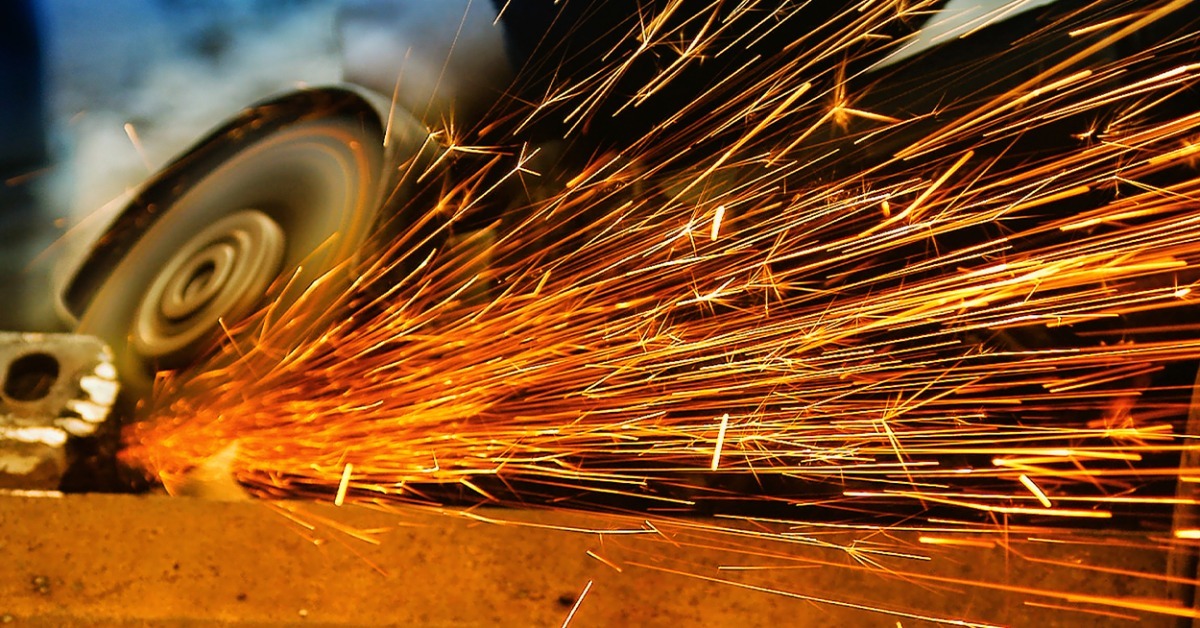
Cut-off wheels give contractors a fast way to cut metal and rebar. These tools can also handle a variety of other materials, including pipes, studs, bolts, and masonry materials.
Contractors need to match grit and size factors to the material and tool speed. If you’re looking for new cut-off wheels, here’s how to select the right grit and size for maximum efficiency on your construction and contracting projects.
Why Cut-off Wheel Selection Matters
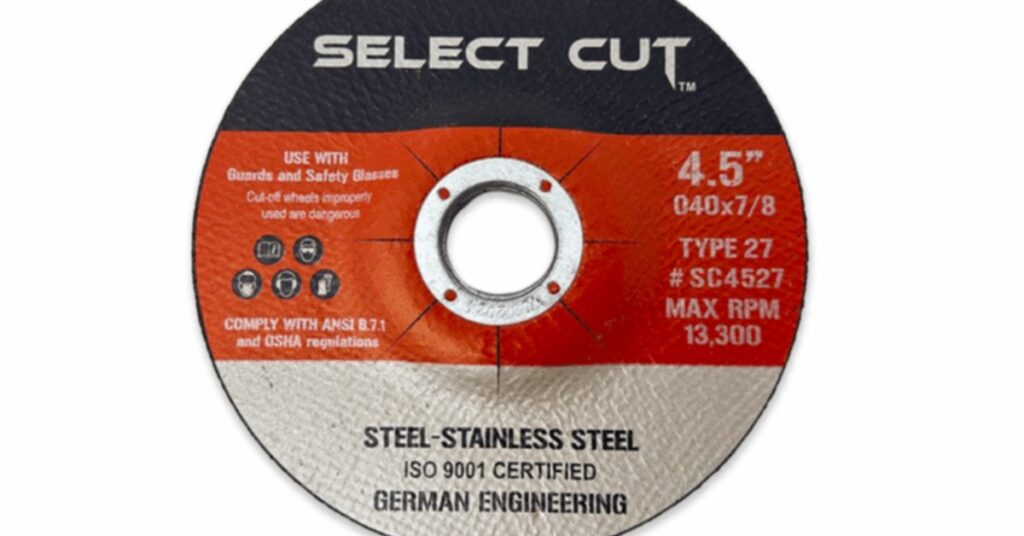
A cut-off wheel does more than fit a grinder or chop saw. It controls cut speed and heat buildup. It also affects burr level and the pressure an operator must use. A poor match can wear too fast or roughen an edge.
Contractors often focus on wheel diameter first. Diameter matters, but grit type also affects the final result. Steel and stainless steel place different demands on the cutting edge. Ductile iron creates different demands, as well as concrete and masonry.
Understand Grit Before Choosing a Wheel
Grit describes the abrasive particles that remove material during the cut. Coarser grit removes material faster. Finer grit supports smoother edges and more controlled cutting. A coarse grit wheel usually works well when speed matters more than finish.
A finer grit wheel can reduce burrs on thinner metals. It also helps when the workpiece needs a cleaner edge before welding.
Operators should not choose grit by habit alone. The right choice depends on material hardness and heat tolerance.
Match Grit to the Material
Ferrous metals need wheels that cut without loading or glazing. Steel and iron often require tough abrasive grain that holds shape under load.
Stainless steel creates additional heat concerns. A wheel that cuts cooler helps reduce discoloration and protects the workpiece surface.
Thin sheet metal benefits from a finer cutting action. That approach can reduce edge damage and limit extra finishing work.
Masonry and concrete require a different cutting strategy. Abrasive wheels can handle some hard materials. Diamond cutting blades provide better life on concrete and block. They also suit brick, pavers, and reinforced slabs.
Choose the Right Wheel Diameter
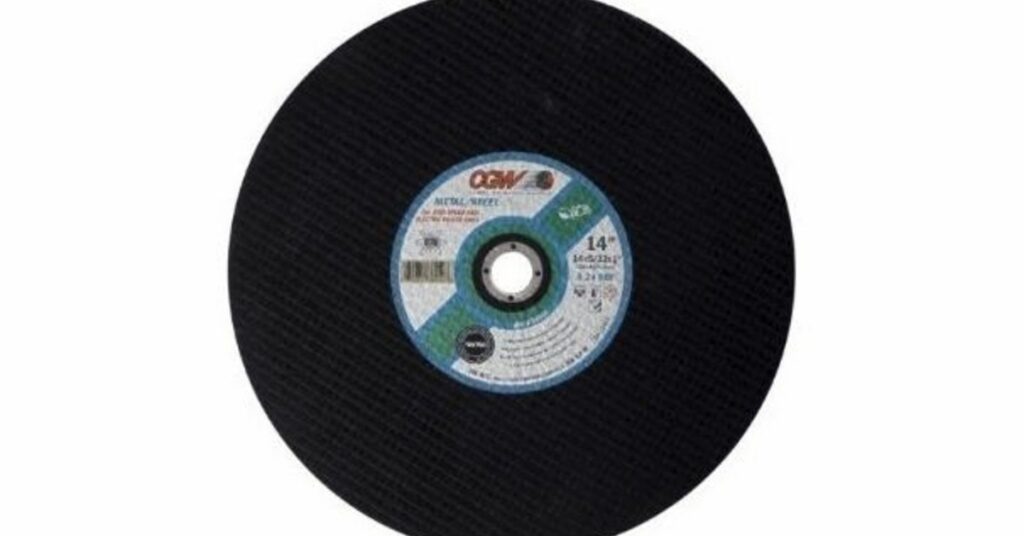
Wheel diameter determines cut depth. It also determines which tool can run the wheel safely.
A 4-1/2-inch cut-off wheel fits many standard angle grinders. This size works well for bolts and threaded rod. It also fits light pipe and sheet metal. Crews use it for repairs, and larger wheels support deeper cuts.
Contractors often use 12-inch wheels with gas saws or chop saws. Crews may choose 14-inch or 20-inch wheels for deeper cutting tasks. ToolGuy offers cut-off wheels from 4-1/2-inch grinder wheels to larger chop-saw and saw wheels. That range helps crews match tool size to the work.
Size also affects control. Smaller wheels allow better access in tight spaces, while larger wheels provide depth for pipe and structural material. They also support heavier demolition or fabrication work.
Check Wheel Thickness
Wheel thickness affects cut speed and stability. A thinner wheel removes less material. That design can cut faster and create less heat. Common thin wheels support clean cuts in metal.
Thicker wheels can provide added strength for heavy work. They may also handle rougher conditions better when the cut requires more stability.
Avoid using thickness as a shortcut for safety. The wheel must still match the tool and rated speed.
Confirm Arbor Size and RPM
Arbor size must match the tool spindle or approved adapter. A poor fit can create wobble and unsafe cutting conditions. The wheel label should guide every setup. Always confirm the diameter and arbor before mounting the wheel.
Contractors should also check thickness and type. Maximum RPM matters as well. Every cut-off wheel carries a maximum rpm rating.
The tool must never exceed that rating. High-speed grinders place serious stress on abrasive wheels. A wheel that cannot handle the tool speed can fail during use.
Select by Tool Type
Angle grinders need wheels that suit handheld control. These wheels often prioritize quick cutting and low heat. They also help operators work in tight spaces. Chop saws need wheels that handle repeated straight cuts for cutting pipes and bar stock. They also cut tubing and channels.
Masonry saws and walk-behind saws need blades that match hard surface cutting. Diamond blades often serve this category because they maintain cutting action across abrasive materials.
Consider Cut Quality and Production Pace
Some jobs need the fastest cut possible. Others need a cleaner edge that saves time during fit-up. Production pace also matters. A crew that makes many cuts per week needs wheels that balance cost and life.
Changeout time also affects productivity. Longer wheel life can reduce downtime. Fast cutting can reduce labor time when the wheel still delivers acceptable edge quality. The best option balances speed and finish for the material.
Watch For Signs of the Wrong Wheel
A wheel can show problems before it fails. Operators should watch cut behavior and adjust selection when performance drops.
Common warning signs include:
- Slow cutting with heavy pressure
- Excess heat or discoloration
- Excessive vibration during the cut
- Rapid wheel wear
- Rough edges that require extra cleanup
- Binding or wandering in the kerf
These signs can point to the wrong grit or size. They can also point to the wrong thickness or tool pairing.
Use Proper Cutting Technique
Good wheel selection still needs proper technique. Excess force can deflect the wheel and damage the workpiece. Steady pressure helps control heat and wheel wear.
Operators should keep the wheel square to the cut. Twisting in the kerf can damage the wheel. Proper technique helps the wheel deliver the performance the product design supports.
When To Choose Diamond Blades
Abrasive cut-off wheels work well for many metal applications. Diamond blades can outperform abrasive wheels in certain concrete and masonry tasks. They can also support ductile iron and steel cutting. Diamond blades hold their cutting edge differently than bonded abrasive wheels.
They can also reduce wheel changes in some heavy cutting applications. Contractors can compare these blades with abrasive wheels when cut life and productivity matter.
The right choice depends on material and tool type. Crews should consider wet or dry cutting needs, blade diameter, arbor size, and application limits to find the right blade for the job.
Shop Cut-off Wheels and Blades From ToolGuy
Cut-off wheel selection affects productivity on every metal and masonry job, with grit and size guiding the final choice. Thickness and tool fit matter as well.
ToolGuy helps contractors source professional cutting products for grinders and chop saws. Browse ToolGuy cut-off wheels and abrasive cutting tools and compare diamond cutting blade options. Match the next job with the right cutting product from ToolGuy.