
How to Choose Heavy-Duty Bolt Cutters
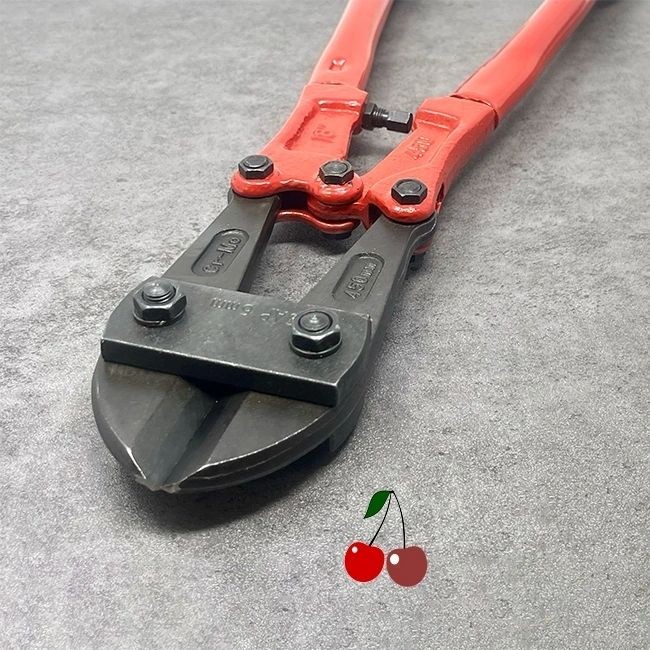
Heavy-duty bolt cutters support fast cutting across fencing, construction, demolition, and maintenance work. Contractors need the right cutter for the material and surrounding jobsite conditions.
A poor tool choice slows production and increases hand fatigue. A proper cutter improves leverage, accuracy, and service life across repeated cuts. Find out how to choose the right heavy-duty bolt cutters for your next project.
Match the Cutter to the Material
Material hardness should guide every bolt cutter purchase. Soft wire and mild chain require less force than hardened bolts or high-tensile fencing wire.
Most jobsite cutting starts with mild steel. Common applications include chain link fence fabric, light chain, wire mesh, padlocks, and threaded rod. Harder materials require stronger jaws and longer handles.
Contractors should always verify cutter ratings before cutting hardened chain or alloy steel components. Cutting beyond the tool rating damages the jaw edges and creates uneven contact at the blades, reducing cutting power.
Understand Jaw Types
Jaw design controls how the cutter bites into the material. The right jaw profile can reduce effort and improve cut quality.
Center cut jaws work well for general cutting tasks. These jaws place force directly over the material and suit bolts, chain, wire, and rods.
Clipper cut jaws sit closer to a flat surface. Fence crews often use this style when cutting material near posts or concrete.
Shear cut jaws use bypass action for cleaner cutting. This style suits cable and softer wire materials that need less crushing during the cut.
Finally, angle cut jaws improve access in tight spaces. These jaws help crews reach material that a straight jaw cannot approach squarely.
Choose the Right Handle Length
Handle length affects leverage. Longer handles increase cutting power and reduce the effort needed for thick material. Shorter cutters improve control in tight areas. They also fit better in service trucks, toolboxes, and confined work zones.
Common heavy-duty sizes range from 18 inches to 42 inches. A compact 18-inch cutter can handle light wire and small fasteners.
A 24-inch or 30-inch cutter suits many fencing and construction tasks. These sizes balance power, portability, and control.
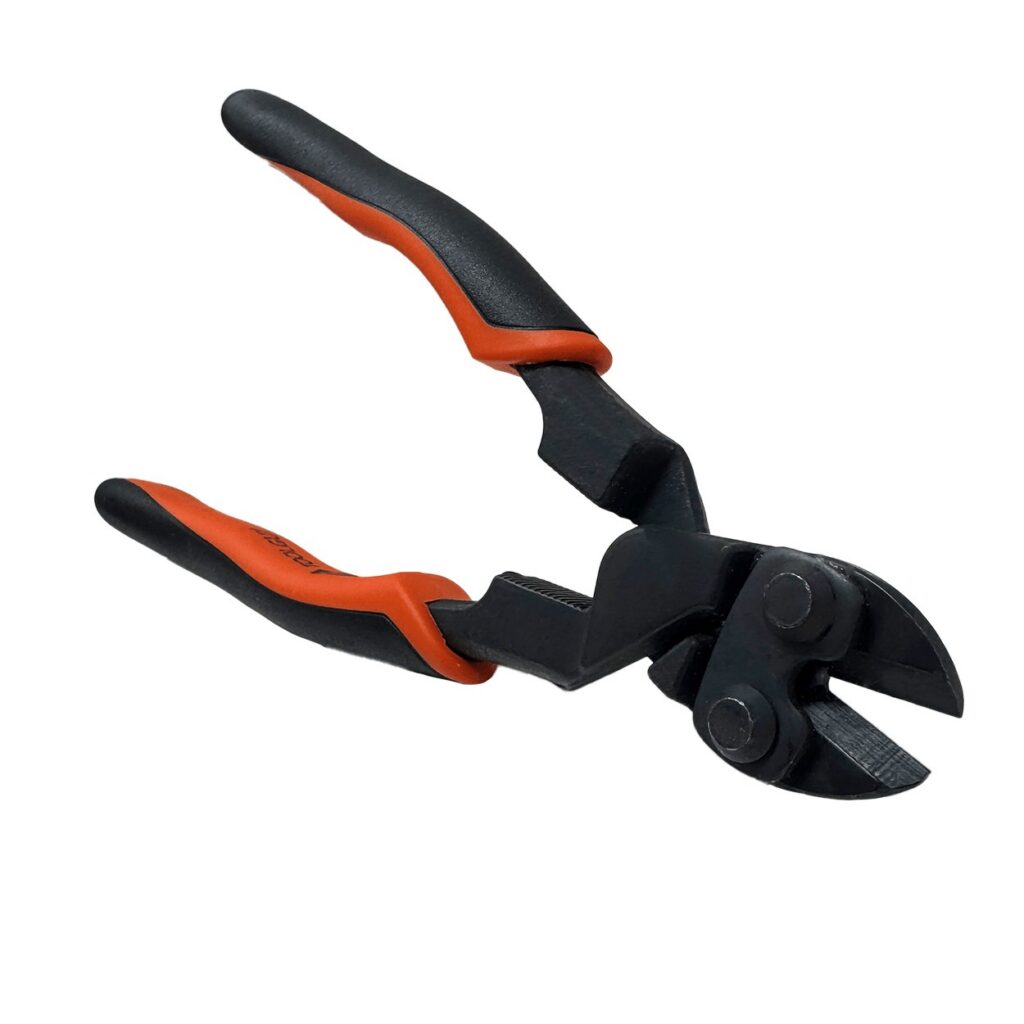
A 36-inch or 42-inch cutter supports larger chain and repeated cutting. These longer tools need more room to open and position. ToolGuy also offers compact heavy-duty bolt cutters at 8 inches of length for tough yet precise cuts.
Evaluate Cutting Capacity
Cutting capacity measures the largest material size that the jaws can cut. Contractors should review both diameter and material hardness.
Manufacturers often list capacities by material type. Those ratings may include soft steel, medium steel, hard steel, and piano wire. Crews should choose a cutter with extra capacity for common tasks. That margin reduces strain and helps protect the cutting edges.
Consider Handle Construction
Heavy-duty handles need strength and stability. Steel handles provide durability for rough jobsite use. Tubular steel handles reduce weight while maintaining leverage. Solid forged handles can increase strength for demanding cutting tasks.
Grip design also matters during long workdays. Non-slip grips help crews maintain control during high-force cuts. Comfortable grips reduce fatigue during repetitive work and support better alignment when cutting hard material.
Review Blade Material and Hardness
Blade quality determines cutting life. High-carbon steel and alloy steel blades offer strong performance across construction and fencing work. However, excessive hardness can make blades brittle. A balanced blade should hold an edge without chipping under normal rated use.
Check Adjustment Features
Many bolt cutters include adjustable jaw bolts. These adjustments help maintain alignment as the tool wears.
Correct jaw alignment gives the cutter full contact with the material. Adjustment also helps restore cutting performance after heavy use. Crews should inspect jaw gap, pivot tension, and blade contact during routine maintenance.
Match Tools to Fencing Work
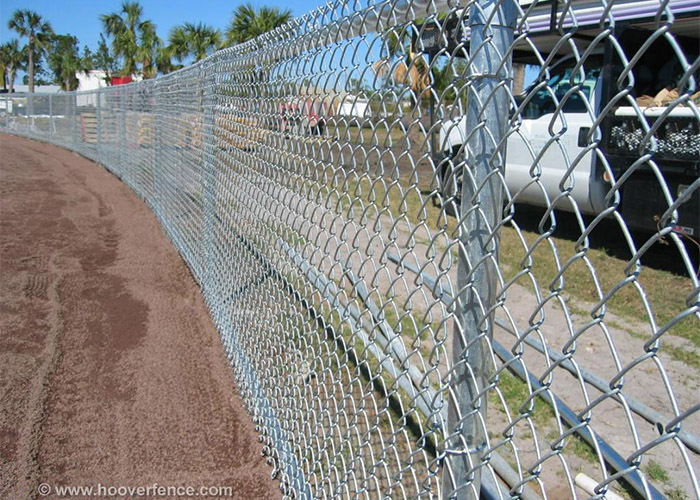
Fencing crews cut many materials during installation and repair. Common tasks include cutting chain link fabric, fence wire, tension wire, bolts, and hardware.
Heavier fence materials may require a longer cutter. High-tensile wire and thick chain demand more leverage and stronger jaws. Access also affects tool selection. Crews working near posts or rails may need clipper cut jaws for close cuts.
Prioritize Safety and Control
Heavy-duty cutting creates sudden release force. Contractors should choose tools that help maintain control through the full cut. Stable handles reduce twisting during use. Secure grips help prevent hand movement when the blades bite into hard material.
Always wear eye protection during cutting jobs. Small fragments can scatter when cutting chain, wire, or bolts. The workpiece needs support before each cut. Unsupported material can shift and damage the jaw edge.
Compare Jobsite Needs Before Buying
Contractors should match cutter selection to daily tasks. A tool that suits occasional wire cutting may not support repeated cutting on thick chain.
Consider these factors before selecting a heavy-duty cutter:
- Material type
- Material hardness
- Required cutting diameter
- Handle length
- Jaw style
- Grip comfort
- Tool weight
- Serviceability
- Storage space
A clear comparison helps avoid underpowered tools. It also prevents overspending on a cutter that exceeds normal jobsite demands.
Plan for Maintenance
Proper maintenance protects cutting performance. Crews should clean the jaws after use and remove grit from the pivot. A light lubricant supports smooth handle movement. It also helps prevent corrosion during storage.
Cutting edges need regular inspection. Nicked or rolled edges reduce performance and can damage future cuts. Additionally, always store cutters in a dry location. Toolboxes and service vehicles should keep the jaws protected from impact.
Common Selection Mistakes
The most common mistake involves choosing by size alone. Handle length matters, but blade rating and jaw design matter more.
Another mistake involves cutting hardened material with a general-purpose cutter. That choice can chip the jaws and shorten tool life. Contractors also lose efficiency when they use oversized cutters for small work. Extra tool weight can slow crews during repetitive cutting.
A balanced setup often includes more than one size. This approach helps crews match the tool to the task without wasted effort.
When to Upgrade Bolt Cutters
A tool upgrade makes sense when cuts require excessive force. Struggling through normal materials signals worn jaws or inadequate leverage.
Frequent jaw damage also signals a poor match. The cutter may lack the proper hardness rating for the material.
Growing crews may need standardized tools across trucks. Standardization improves efficiency and simplifies replacement planning. Higher-volume work justifies stronger construction. Having cutters with better grips and higher-grade jaws can reduce downtime.
Choose ToolGuy for Heavy-Duty Cutting Tools
Selecting the right heavy-duty cutter improves speed, control, and jobsite reliability. Contractors should choose based on the factors above to maximize cutting capacity.
ToolGuy supplies construction and fencing tools for demanding field use. Explore the ToolGuy product lineup to find bolt cutters and related cutting tools for fencing, construction, repair, and maintenance work.

PO Box 4041
Thousand Oaks, CA 91359
Copyright © 2019 ToolGuy.com - All Rights Reserved.