
Maintaining Your Fence Tools for Longevity
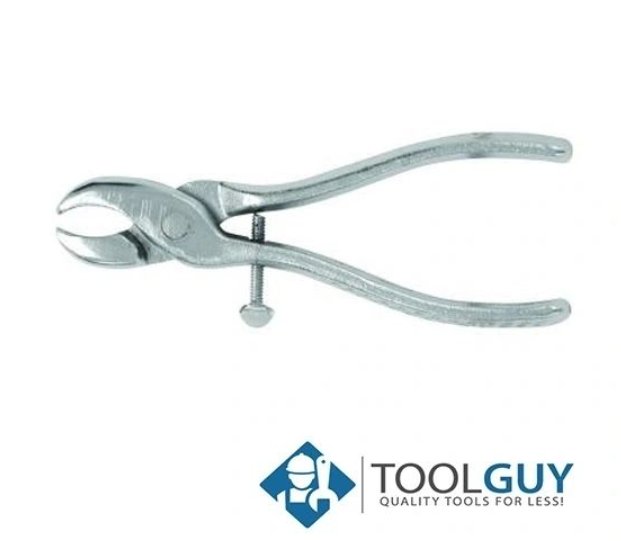
Fence work puts hand tools through demanding conditions, from cutting stiff wire to gripping dirty fasteners in changing weather. Proper care helps those tools perform reliably and reduces the wear that can shorten their useful life. A consistent routine for maintaining your fence tools for longevity also makes everyday fence installation and repair work smoother because clean, sharp tools require less effort. Regular care after each job protects your investment and keeps your equipment ready for the next project.
Clean Fence Tools After Every Job
Fence tools collect dirt, grass, wire residue, and moisture during normal use. Leaving that material on metal surfaces can interfere with moving parts and encourage corrosion over time. After finishing a job, wipe each tool with a dry cloth and remove any debris caught around pivots or cutting edges. If stubborn grime remains, use an appropriate cleaner, then dry the tool thoroughly before putting it away.
Use up and down arrow keys to resize the meta box pane.
Pay close attention to tools used near wet soil or treated fencing materials. Moisture can remain in small joints even when the outside looks dry. Open and close pliers or cutters while cleaning so you can reach areas around the hinge. This simple habit also gives you a chance to notice changes in how the tool moves before a minor issue becomes more disruptive.
Keep Cutting Edges in Good Condition
Fence cutters work best when their cutting surfaces remain clean and properly maintained. Dull or damaged edges can make wire harder to cut, forcing you to use more pressure than the task should require. Inspect cutting jaws regularly for chips or other visible wear. When sharpening is appropriate for the tool, follow the manufacturer’s recommendations so you preserve the original cutting angle.
Avoid using a fence tool to cut materials beyond its intended capacity. A cutter designed for common fencing wire may not be suitable for unusually hard or thick material. Misuse can damage the cutting surfaces or strain the pivot. Matching the tool to the material protects the edge and helps the tool deliver a cleaner cut with less effort.
Lubricate Pivots for Smooth Operation
Pliers and cutters depend on their pivot points to open and close freely. Dirt can work into the joint, while moisture can contribute to rust that makes movement stiff. After cleaning and drying the tool, apply a small amount of suitable lubricant to the pivot when needed. Work the handles several times to distribute it through the joint, then wipe away excess lubricant that could attract more debris.

Inspect Handles and Grips Regularly
Handles deserve the same attention as jaws and pivots because they affect control during fence work. Check grips for looseness, splitting, or significant wear that could make the tool uncomfortable or difficult to hold. If a grip has shifted, follow the manufacturer’s guidance for repair or replacement. Do not rely on a temporary fix when the condition could affect safe handling.
Also inspect the metal portions of the handles for bending or other deformation. Fence tools often face high leverage, especially when gripping or cutting stubborn wire. A bent handle may indicate that someone overloaded the tool. Continuing to apply heavy force can worsen the problem, so remove damaged tools from service until you determine whether you can repair them properly.
Protect Metal Surfaces From Corrosion
Rust can shorten tool life and make precision areas harder to maintain. Always dry fence tools before storage, especially after working outdoors in rain or damp vegetation. If the tool’s care instructions allow it, a light protective coating can help shield exposed metal during storage. Wipe away heavy residue before the next use so the handles and working surfaces remain easy to control.
If you notice early surface rust, address it before corrosion spreads deeper into the metal. Use a method that is appropriate for the tool’s finish and avoid aggressive treatment that could alter cutting surfaces. Once the affected area is clean, dry the tool completely. Regular inspections help you catch corrosion while it remains limited.
Store Fence Tools in a Dry Location
Good storage protects the maintenance work you have already done. Tossing damp tools into an open truck bed or leaving them on the ground exposes them to moisture and unnecessary impact. Choose a dry toolbox or another organized storage area that keeps tools protected between jobs. Make sure each tool is dry before closing it inside a container where trapped humidity could remain.

Use Each Fence Tool for Its Intended Job
One of the easiest ways to extend tool life is to avoid asking a tool to do work beyond its intended purpose. Fence pliers may combine several functions, but every feature still has practical limits. Using handles as makeshift hammers or forcing cutters through oversized material can place stress on components that were never meant to take that load. The right tool usually completes the task more efficiently while reducing avoidable wear.
Before starting a fence repair, consider the wire type and the specific operation required. Select a tool whose design matches that work. This approach protects your equipment and gives you better control during demanding jobs. It also reduces the temptation to improvise with a tool that happens to be nearby.
Replace Tools When Wear Becomes Excessive
Maintenance can extend useful life, but it cannot make a severely damaged tool dependable again. Watch for cracked components or badly worn cutting surfaces. Also check pivots that remain loose after proper adjustment. A tool that no longer grips securely or cuts as intended can slow the job and require excessive force. Replacement may be the better choice when damage affects normal operation.
Keep your inspection routine consistent rather than waiting for a tool to fail during a project. Regular checks help you identify wear before the next fence installation or repair begins. That gives you time to repair a serviceable tool or replace one that has reached the end of its working life.
Keep Your Fence Tools Ready for the Next Job
A practical maintenance routine protects performance and helps fence tools stay dependable through repeated use. Cleaning after each job and storing your equipment correctly between projects both support maintaining your fence tools for longevity without adding much time to your workday. ToolGuy offers a variety of fence pliers for installation and repair needs, including barbed wire pliers built for specialized fencing tasks. Choosing the right fence pliers and taking care of them between jobs can help you stay prepared for the work ahead. Browse our selection to learn more.

PO Box 4041
Thousand Oaks, CA 91359
Copyright © 2019 ToolGuy.com - All Rights Reserved.