
Best Bolt Cutters for Chain Link Fencing Jobs

Chain link fencing work demands fast cuts, clean edges, and dependable hand tools. The best bolt cutters for this trade handle mesh wire, tension wire, fence ties, and light hardware without slowing down repair or demolition work.
A fencing tool supplier sees the same pattern across jobsites and different projects. Crews need bolt cutters that match wire gauge, resist jaw wear, and stay productive through repeated daily use. If you’re looking to buy new cutters for your crew, here are some of the best cutters and what to consider for chain link fencing jobs.
What Chain Link Fencing Jobs Demand From Bolt Cutters
Chain link fence installation and repair involve more than cutting random wire ends. Contractors cut fabric during panel sizing, trim selvage, remove damaged sections, cut brace wire, and handle tie wires during teardown and replacement.
Each task places a different load on the cutter. Thin galvanized ties need speed and control, while heavier wires and small hardware need leverage and jaw strength that prevent edge chipping and handle flex.
Chain link fabric also creates awkward cutting angles. A tool that works well on a bench can become inefficient against stretched fabric or near terminal posts if the jaw opening and head profile do not fit the work area.
Why Size Selection Matters
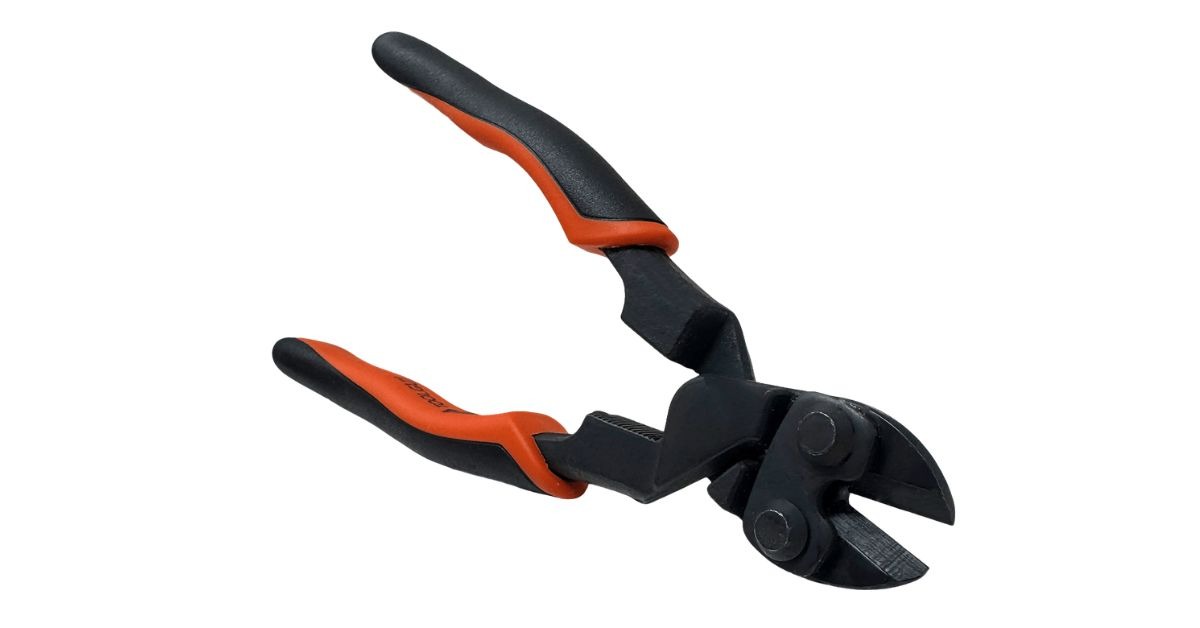
Small bolt cutters offer control, lower weight, and quick handling. Hand cutters are suitable for small cuts for repairs or installation jobs. On chain link jobs, 14-inch and 18-inch models work well for ties, light-gauge wire, and detail work where larger tools feel clumsy.
Mid-size cutters often deliver the best balance for fence crews. A 24-inch model gives enough leverage for most chain link fabric work while staying portable enough for service trucks, punch lists, and daily repair calls.
Large cutters increase force, but they also add weight and reduce maneuverability. A 30-inch or 36-inch model makes sense for demolition work, thicker rods, and hardware removal, but that size can slow down routine installation tasks.
The Best Working Range for Most Crews
For most chain link contractors, the strongest value sits in the 18-inch to 24-inch range. That size class covers a wide share of cutting tasks without forcing crews to carry oversized tools for basic fabric work.
A 24-inch cutter often becomes the primary choice for general chain link operations. It cuts common fencing wire cleanly, fits in most truck storage systems, and gives field crews enough leverage without excessive fatigue.
Many experienced foremen pair one 24-inch cutter with a smaller backup tool. That setup supports fast tie-wire trimming and controlled finish work while leaving the heavier cutter available for mesh and tension wire.
Jaw Design Affects Cut Quality
Jaw style changes both cut performance and tool life. Standard center-cut jaws handle general fencing work well because they apply balanced force and produce predictable cuts across typical chain link materials.
Some crews prefer compact head shapes for tighter access around posts, rails, and stretched fabric. A slimmer head improves line-of-sight and positioning, which matters when a clean cut reduces rework during fabric attachment or repair.
Hardness and edge treatment matter just as much as shape. Drop-forged jaws with induction-hardened cutting edges hold alignment longer and resist deformation better than low-cost alternatives built for occasional use.
Steel Quality and Durability
Bolt cutters fail early when jaw steel lacks hardness or when pivot points loosen under repeated load. On chain link jobs, those failures show up fast because crews make repeated cuts across galvanized and sometimes coated wire.
High-quality alloy steel bodies and hardened cutting edges provide longer service life. Strong pivots and secure fasteners keep the jaws aligned, which protects cut quality and reduces the extra force that damages both tools and operators.
A fencing crew should not treat bolt cutters as disposable. Cheap cutters often cost more over time because they dull quickly, crush wire instead of cutting it, and force replacement during active project schedules.
Matching Cutters to Common Fence Materials
Not every component on a chain link job needs the same tool. Tie wires, hog rings, and lighter accessory materials call for precision and speed, while fabric wire, bottom tension wire, and small fence hardware call for more leverage.
Contractors should check actual cutting capacity instead of relying on broad marketing claims. A cutter rated for hard, medium, and soft materials gives a clearer picture of real field performance than a label that only says heavy duty.
The most reliable chain link fence cutters cut common galvanized fence materials cleanly without flattening the ends. Clean cuts improve fit-up during repairs and reduce the time spent correcting distorted wire at terminals and splices.

Features Worth Prioritizing
Several features consistently deliver better results on fencing jobs. Buyers should focus on function first, because field productivity depends on reliable performance more than branding or packaging.
- Induction-hardened cutting edges
- Strong center-cut jaw design
- Replaceable or adjustable jaws when available
- Solid pivot hardware with tight alignment
- Cushioned, non-slip grips
- Verified cutting capacity for fence wire and light hardware
These features support longer tool life and more consistent cutting action. They also reduce the risk of damaged jaws when crews move between fence wire, tension wire, and small steel components during the same shift.
Best Purchase Strategy for Contractors
A practical purchase strategy starts with crew workload and material type. Service crews that handle repairs and punch work usually perform best with a compact cutter and a mid-size primary unit, while demolition teams may need an additional large-format model.
Standardizing cutter types across the crew also improves efficiency. Matching tools simplify replacement, training, truck stock planning, and performance expectations on multi-phase projects.
Tool selection should support actual fencing conditions, not general shop use. Chain link crews work outdoors, move across uneven terrain, and cut material in tight positions, so durability, balance, and repeatable cutting performance matter most.
Recommendation for Chain Link Work
Professional crews should buy bolt cutters built for daily abuse, not occasional maintenance work. Strong jaw steel, proven cutting capacity, solid pivots, and balanced handles deliver better results on every chain link fence project.
ToolGuy supplies bolt cutters selected for real fencing jobs, not generic shelf appeal. Contact ToolGuy for the rightchain link fence cuttersfor installation, repair, and demolition crews that need dependable performance on the job.

PO Box 4041
Thousand Oaks, CA 91359
Copyright © 2019 ToolGuy.com - All Rights Reserved.