
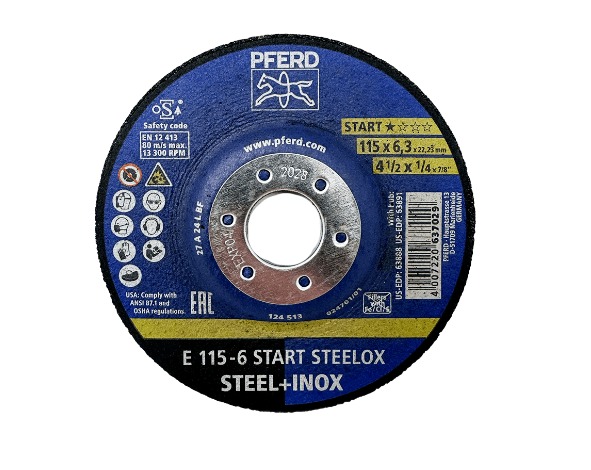
Construction professionals depend on abrasive tools that cut cleanly, last longer, and support consistent workmanship under demanding conditions. This grinding wheels guide for construction pros explains how wheel selection, material compatibility, operating technique, and maintenance practices influence everyday performance.
Understanding these factors helps crews complete demanding tasks with greater confidence while protecting equipment from unnecessary wear. Whether preparing metal surfaces, shaping masonry, or refining concrete edges, choosing the appropriate grinding wheel creates smoother results and supports efficient progress across challenging jobsites.
Understanding Grinding Wheel Basics
Grinding wheels remove material through countless abrasive particles bonded into a solid form. Every rotating wheel acts like a collection of tiny cutting edges that gradually wear away the workpiece instead of slicing through it with continuous teeth. Bond type, abrasive composition, wheel hardness, and grit size all influence cutting behavior. Matching those characteristics with the intended application allows professionals to control removal rates while producing cleaner finishes that meet project expectations.
Different construction materials respond differently under abrasive contact. Steel demands different wheel properties than cast iron, aluminum, concrete, stone, or masonry products. Selecting a wheel designed for the specific material reduces excessive heat, limits glazing, and promotes smoother cutting action. Careful selection also helps preserve the grinder by reducing unnecessary strain during demanding applications.
Choosing the Right Abrasive Material
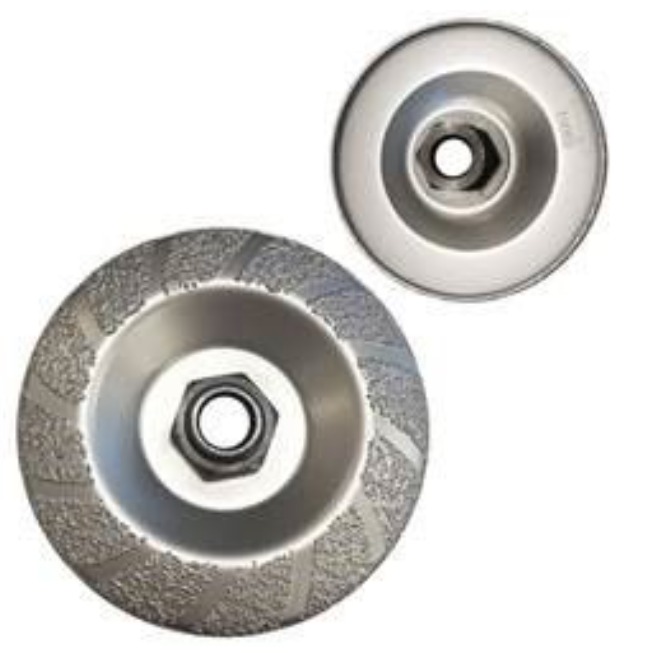
Abrasive composition determines how efficiently a wheel performs throughout its service life. Aluminum oxide wheels commonly handle ferrous metals because they balance durability with dependable cutting action. Silicon carbide wheels often perform well on masonry, concrete, stone, and other hard materials that quickly wear conventional abrasives. Diamond grinding wheels provide outstanding performance for especially demanding mineral-based surfaces where precision matters.
Professionals should also consider the hardness relationship between the abrasive and the workpiece. Hard materials generally benefit from softer bonding systems that release dull abrasive particles before they lose cutting effectiveness. Softer materials often require harder bonds that retain abrasive grains longer. This balance keeps the wheel cutting efficiently instead of generating unnecessary friction that slows production.
Matching Grit and Wheel Specifications
Grit size influences both material removal and surface finish. Coarser grits remove stock quickly during aggressive grinding operations, while finer grits create smoother finishes suitable for preparation before coating or installation. Selecting the proper grit prevents wasted effort caused by removing excessive material or spending unnecessary time refining surfaces beyond project requirements.
Wheel diameter and thickness also affect performance. Larger wheels cover broader areas efficiently, while thinner wheels provide better control during detailed work. Operating speed ratings must always match the grinder because exceeding recommended speeds creates serious safety hazards. Reading product markings before installation ensures compatibility with the intended equipment and application.
Safe Operation on Busy Jobsites
Safe grinding begins before the motor starts. Operators should inspect every wheel for visible damage, confirm secure mounting, and verify proper guard placement. Even a high-quality wheel cannot perform safely when installed incorrectly or paired with unsuitable equipment. Taking several moments for inspection reduces preventable problems during demanding work.
Maintaining steady pressure improves cutting efficiency while limiting unnecessary wheel wear. Forcing the grinder rarely speeds progress because excessive pressure creates heat that reduces abrasive effectiveness. Allowing the wheel to perform naturally produces smoother results and helps maintain better control throughout each pass. Consistent movement also minimizes uneven wear that shortens wheel life.
Extending Wheel Performance
Proper storage preserves grinding wheels between projects. Keeping wheels in clean, dry conditions protects bonding materials from unnecessary moisture and physical damage. Storing wheels upright according to manufacturer recommendations also helps maintain their intended shape before installation. Careful handling prevents chips that compromise safe operation.
Routine equipment maintenance contributes directly to wheel performance. Clean flanges provide stable mounting surfaces, while well-maintained grinders reduce vibration that accelerates wheel wear. Replacing worn components before they affect operation helps maintain accuracy across demanding construction tasks. Investing attention in maintenance often produces longer wheel life and more consistent results throughout every project.
Making Better Purchasing Decisions
Experienced contractors evaluate grinding wheels according to application instead of price alone. A wheel that lasts longer, cuts efficiently, and maintains consistent performance often provides greater overall value than a lower-cost option requiring frequent replacement. Considering compatibility with existing equipment also prevents unnecessary downtime caused by unsuitable products.
Keeping several wheel types available allows crews to respond quickly as project requirements change. Different materials frequently appear on the same construction site, making versatility an important consideration during purchasing decisions. Selecting quality products from trusted suppliers helps maintain dependable performance whenever challenging grinding tasks arise.
Recognizing Signs of Wheel Wear
Grinding wheels gradually change as abrasive particles fracture and bonding materials release worn grains. Professionals should watch for reduced cutting speed, increased vibration, excessive heat, or unusual surface marks because these signs often indicate the wheel no longer performs as intended. Continuing with a worn wheel can increase operator fatigue while reducing finish quality. Replacing the wheel at the appropriate time keeps work moving efficiently and supports predictable results throughout the project.
Adapting Techniques for Different Surfaces
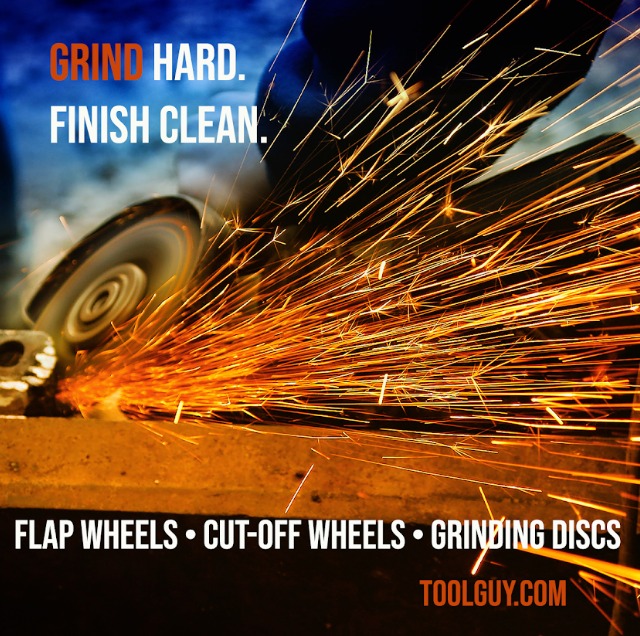
Each construction surface requires thoughtful adjustments in grinder angle, pressure, and movement. Flat steel benefits from smooth overlapping passes that maintain even contact without lingering in one location. Concrete edges often respond better to controlled movement that gradually shapes the surface instead of forcing rapid removal. Stone materials reward patience because steady progress reduces unnecessary chipping while preserving the intended profile. Experienced operators constantly observe wheel response and make small corrections that improve finish quality without sacrificing productivity.
Avoiding Common Selection Mistakes
Many performance problems begin before grinding starts because the wrong wheel reaches the jobsite. Choosing a wheel intended for another material frequently causes glazing, premature wear, or disappointing cutting action. Ignoring speed ratings creates unnecessary risk even when the wheel appears physically compatible with the grinder.
Professionals also benefit from avoiding damaged storage conditions because moisture, impacts, and careless handling can reduce wheel reliability before the package ever opens. Careful planning prevents frustration and helps every grinding task begin with suitable equipment prepared for dependable service. Consistent preparation ultimately saves time, reduces interruptions, and supports professional results.
Dependable Results Start With Smart Choices
Choosing the appropriate grinding wheel supports cleaner workmanship, greater efficiency, and dependable equipment performance throughout demanding construction projects. This grinding wheels guide for construction pros emphasizes informed selection because every application benefits from matching the wheel to the material and operating conditions.
When projects also require premium cutting solutions, ToolGuy offers a wide variety of diamond blades for circular saws that help professionals achieve reliable performance across demanding construction applications with confidence. Browse our collection of concrete-cutting and masonry blades for circular saws, so you can stay productive on every jobsite.